Automotive MechanicsAutomotive MechatronicsTruck MechanicsDiesel MechanicsHeavy EquipmentView all mechanics
Automotive ServiceTransport & LogisticsFleet OperationsConstruction EquipmentView all industries
Western BalkansHiring GuidesAboutContact Explore Mechanic Profiles
English Deutsch

Mechanic profile

Hire Automotive Mechanics from the Western Balkans

Explore mechanic profiles with experience in vehicle inspection, engine diagnostics, brake and suspension systems, transmissions and routine passenger vehicle service.
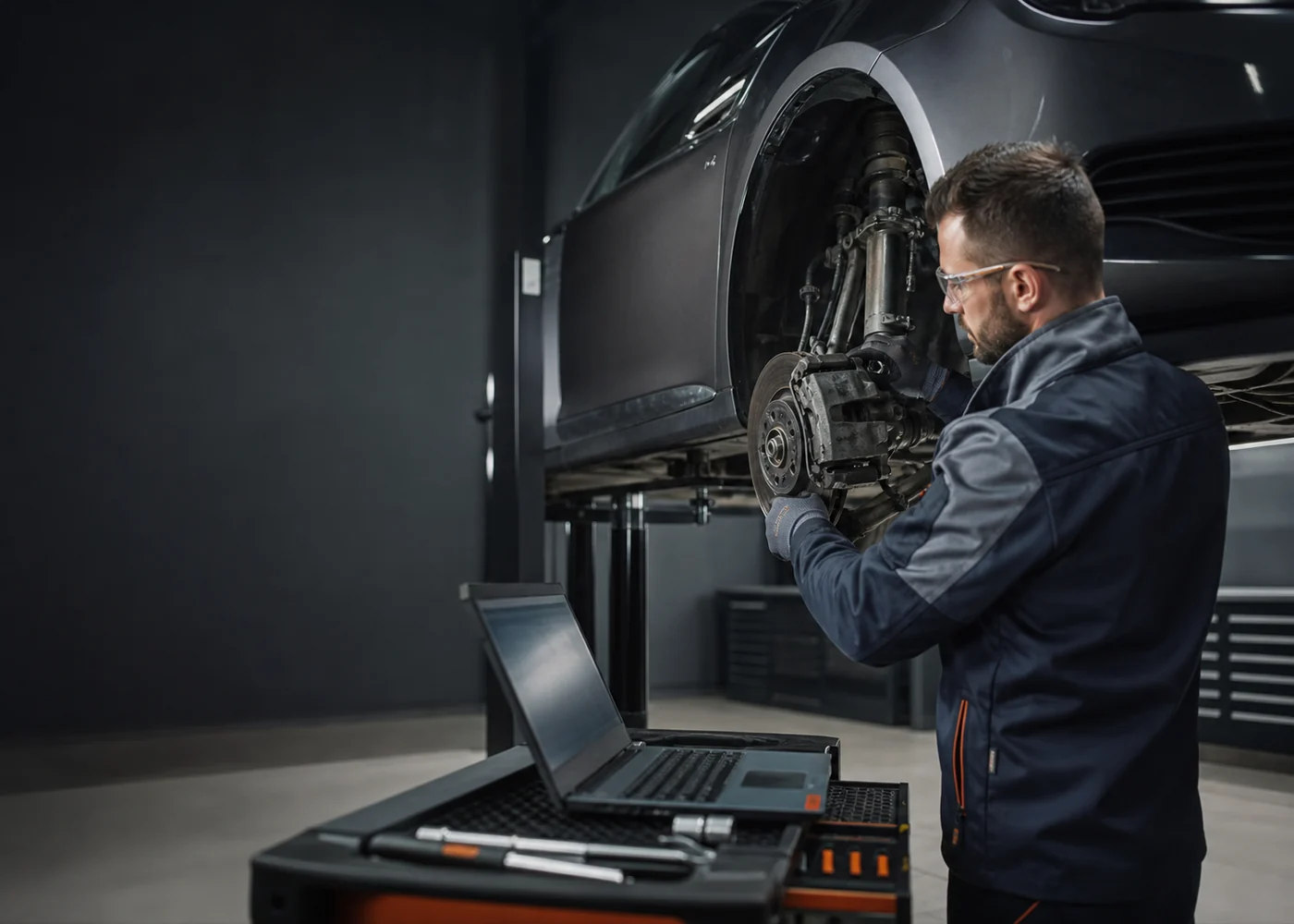
Automotive mechanic servicing a passenger car on a lift.

The employer challenge

Service capacity is limited by people, not by bays

Most workshops do not lack lifts or tooling. They lack the qualified hands to keep those bays productive through a full working week.

Longer customer waiting times

Booking slots stretch out, and customers who wait three weeks for a service appointment start calling competitors.

Unused workshop bays

Capital tied up in lifts and diagnostic equipment generates nothing while a bay stands empty.

Diagnostic bottlenecks

When only one technician can interpret complex faults, every difficult job queues behind that person.

Rising overtime cost

Covering the gap with overtime is expensive and erodes the team you already have.

Quality and comeback risk

Rushed work produces repeat visits, warranty claims and reputational damage.

Difficulty growing the business

Additional contracts or a second location stay theoretical without staff to service them.

AdvertisementCandidate Force — explore mechanic profiles and publish vacancies.

Role overview

What an automotive mechanic actually does

An automotive mechanic inspects, diagnoses, services and repairs passenger cars and light commercial vehicles. The role spans routine maintenance — oil and filter service, brakes, tyres, fluids — through to fault diagnosis and component replacement across the engine, driveline, chassis and comfort systems.

Modern automotive work is increasingly diagnostic. Even a routine service involves electronic service resets, and a growing share of faults are found through scan tools and live data rather than by feel. Candidates who cannot work with diagnostic equipment are limited to basic servicing.

Compared with an automotive mechatronics technician, the automotive mechanic leans mechanical. The mechatronics profile carries deeper training in electronics, sensors, control units and vehicle networks. Where your workload is heavily electronic or you service hybrid and electric vehicles, the mechatronics profile is usually the better fit.

Compared with a truck mechanic, the scale and regulations differ entirely — different braking technology, different inspection regimes, different tooling. The two are not interchangeable.

You need an automotive mechanic when your throughput is passenger and light vehicles and the work is a mix of scheduled servicing and general repair.

Typical responsibilities

  • Carrying out scheduled vehicle inspections and services
  • Diagnosing engine, driveline and chassis faults
  • Replacing and adjusting brake system components
  • Servicing suspension and steering assemblies
  • Working on clutches, gearboxes and drive shafts
  • Maintaining cooling, lubrication and exhaust systems
  • Running computer diagnostics and interpreting fault codes
  • Advising on wear, safety findings and required repairs
  • Documenting completed work and parts used
  • Road-testing vehicles and confirming the fault is resolved

Relevant systems and equipment

Systems an automotive mechanic works with

Profiles may include experience with:

Petrol & diesel enginesBrake systemsSuspension & steeringManual & automatic transmissionsClutch assembliesCooling systemsExhaust & emission systemsAir conditioningVehicle electricsDiagnostic scan toolsWheel alignment equipmentService documentation systems

What employers should verify

Check these before you hire an automotive mechanic

Balkan Mechanic does not certify candidates. Use this list as the basis for your own screening and interviews.

  • Formal vocational qualification in automotive technology
  • Years of workshop experience and the type of workshop
  • Vehicle brands and model generations previously serviced
  • Practical diagnostic ability, including tools used
  • Comfort with electronic service procedures and resets
  • Air conditioning certification, where relevant in your country
  • Driver licence for road-testing vehicles
  • Language level for service orders and customer-facing notes
  • Willingness to work Saturdays or extended service hours
  • Work authorization requirements for your country
AdvertisementBalkan Recruiters — recruitment services for European employers.

How recruitment continues

From vacancy to shortlist

Define the mechanic profile

Pin down the specialization, systems and experience level you need.

Explore available profiles

Review mechanic profiles that match your vehicles and machines.

Publish the vacancy

Describe the role, systems and shift requirements clearly.

Review details and applications

Assess candidate information and verify qualifications.

Continue through Candidate Force

Manage interviews and the rest of the workflow in one place.

FAQ

Frequently asked questions

The mechanic profile is weighted towards mechanical repair; the mechatronics profile adds formal training in vehicle electronics, sensors, control units and networked systems. For workshops with heavy diagnostic workloads or hybrid and electric vehicles, mechatronics is generally the stronger match.
A short, structured practical assessment on a real vehicle is far more informative than a CV. Give a defined task — a brake inspection, a diagnostic scenario — and observe method, safety awareness and how the candidate reasons through the fault rather than only whether they reach the right answer.
Some do, but high-voltage work requires specific training and authorisation that varies by country. Do not assume general automotive experience covers it. If EV servicing matters to you, ask about it directly and verify the certification.
For supervised servicing work, two years is often workable. For independent diagnosis of complex faults, look for five or more years with evidence of the kinds of problems the candidate has solved.
It helps, particularly with manufacturer diagnostic systems and model-specific procedures. It is rarely essential — a strong diagnostic method transfers between brands faster than most employers expect.
Be concrete: vehicle types, brands, whether the work is servicing or diagnosis-heavy, the diagnostic equipment in use, shift or Saturday expectations and the language level required. Vague adverts attract volume, not fit.

Find Automotive Mechanics through Candidate Force

Explore profiles, publish your vacancy and manage applications in one structured platform.

Explore Mechanic Profiles
