Automotive MechanicsAutomotive MechatronicsTruck MechanicsDiesel MechanicsHeavy EquipmentView all mechanics
Automotive ServiceTransport & LogisticsFleet OperationsConstruction EquipmentView all industries
Western BalkansHiring GuidesAboutContact Explore Mechanic Profiles
English Deutsch

Mechanic profile

Hire Agricultural Machinery Mechanics from the Western Balkans

Explore mechanic profiles with experience in tractors, harvesters and farm equipment — hydraulics, diesel engines, drive systems, attachments, diagnostics and seasonal field service.
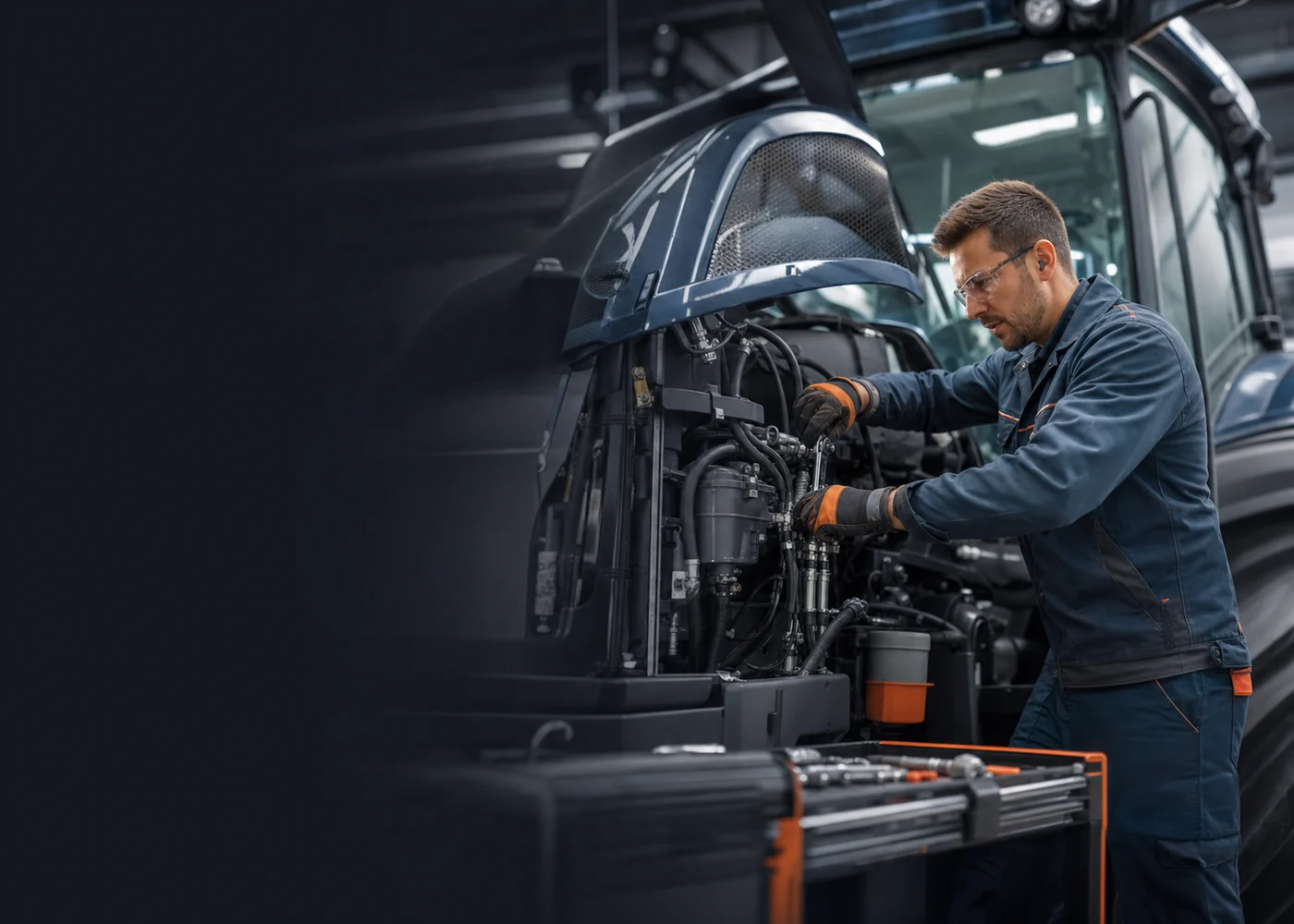
Agricultural machinery mechanic servicing a tractor.

The employer challenge

In agriculture, downtime is measured against a weather window

Farm equipment fails during the few weeks when it is most needed. A harvester out of action during harvest cannot be rescheduled to a quieter period — the crop does not wait.

Seasonal peak failures

Equipment used intensively for short periods fails precisely when replacement capacity is unavailable anywhere.

Crop loss from delays

Missing a harvest window has consequences that no repair discount can offset.

Remote field breakdowns

Machines fail in fields far from any workshop, requiring genuine mobile capability.

Highly seasonal workload

Demand is concentrated, making it difficult to justify and retain year-round specialist staff.

Increasingly complex electronics

Precision agriculture systems, GPS guidance and electronic controls now sit alongside traditional mechanics.

Wide equipment variety

A single operation may run tractors, harvesters, sprayers and implements from many manufacturers.

AdvertisementCandidate Force — explore mechanic profiles and publish vacancies.

Role overview

What an agricultural machinery mechanic actually does

An agricultural machinery mechanic maintains and repairs farm equipment — tractors, combine harvesters, forage machinery, sprayers, balers and the implements they operate. The work covers diesel engines, hydraulic systems, power take-off and drive systems, and increasingly the electronic and guidance systems in modern equipment.

The role is defined by seasonality. Winter is dominated by planned overhaul and preparation; spring and harvest bring intense pressure with equipment running long hours and failures requiring immediate field response.

Breadth is unusually important. Unlike a workshop specialising in one machine type, agricultural mechanics typically face a wide equipment range across manufacturers, requiring adaptability and strong diagnostic fundamentals rather than narrow brand knowledge.

Compared with a heavy equipment mechanic, hydraulic and diesel fundamentals overlap heavily. The differences are power take-off systems, implement interfaces, harvesting mechanisms and the seasonal working rhythm.

Compared with a truck mechanic, the systems and regulatory environment differ substantially, though diesel engine experience transfers usefully.

Typical responsibilities

  • Servicing and repairing tractors and self-propelled machinery
  • Diagnosing and repairing hydraulic systems
  • Maintaining diesel engines and cooling systems
  • Working on transmissions, PTO and drive systems
  • Repairing harvesting mechanisms and threshing components
  • Servicing implements, attachments and sprayers
  • Diagnosing electronic control and guidance systems
  • Performing pre-season inspection and overhaul work
  • Responding to field breakdowns during peak periods
  • Documenting machine hours, servicing and repairs

Relevant systems and equipment

Systems an agricultural machinery mechanic works with

Profiles may include experience with:

Diesel enginesHydraulic systemsPower take-off systemsTransmissions & drivelinesFront & rear linkagesHarvesting mechanismsThreshing & separation systemsSprayer systemsGPS guidance & precision systemsElectronic control unitsPneumatic systemsWelding & fabrication

What employers should verify

Check these before you hire an agricultural machinery mechanic

Balkan Mechanic does not certify candidates. Use this list as the basis for your own screening and interviews.

  • Formal qualification in agricultural machinery or mechanical technology
  • Equipment types and manufacturers previously serviced
  • Hydraulic diagnostic competence, central to most farm equipment
  • Harvester experience specifically, if that equipment is in your fleet
  • Familiarity with precision agriculture and guidance systems
  • Willingness and ability to perform field repairs remotely
  • Welding and fabrication skills for implement repair
  • Understanding of seasonal workload and peak-period availability
  • Driver licence and ability to move machinery on public roads
  • Work authorization requirements for your country
AdvertisementBalkan Recruiters — recruitment services for European employers.

How recruitment continues

From vacancy to shortlist

Define the mechanic profile

Pin down the specialization, systems and experience level you need.

Explore available profiles

Review mechanic profiles that match your vehicles and machines.

Publish the vacancy

Describe the role, systems and shift requirements clearly.

Review details and applications

Assess candidate information and verify qualifications.

Continue through Candidate Force

Manage interviews and the rest of the workflow in one place.

FAQ

Frequently asked questions

Some operations balance the year with winter overhaul programmes and implement refurbishment. Others combine the role with construction or transport equipment maintenance. Be honest about the annual pattern in your vacancy — candidates who understand it upfront stay longer.
Frequently yes. Hydraulics, diesel engines and drivetrains carry over well. The learning areas are power take-off systems, implement interfaces and harvesting mechanisms, which are genuinely different.
It is worth asking about specifically. Combine and forage harvesters have complex threshing, separation and cleaning systems that differ substantially from tractor work. General agricultural experience does not guarantee it.
Increasingly important. GPS guidance, section control and yield monitoring are standard on newer equipment, and faults in these systems affect operations directly. Ask what the candidate has actually configured or diagnosed.
Usually yes. Implement repair, wear plate replacement and structural fixes are routine, particularly where equipment must be returned to work quickly during a season.
Equipment types and brands, whether harvesters are included, the field-service expectation, the seasonal pattern and whether accommodation or transport is provided for remote work. These details filter far more effectively than generic descriptions.

Find Agricultural Machinery Mechanics through Candidate Force

Explore profiles, publish your vacancy and manage applications in one structured platform.

Explore Mechanic Profiles
