Automotive MechanicsAutomotive MechatronicsTruck MechanicsDiesel MechanicsHeavy EquipmentView all mechanics
Automotive ServiceTransport & LogisticsFleet OperationsConstruction EquipmentView all industries
Western BalkansHiring GuidesAboutContact Explore Mechanic Profiles
English Deutsch

EU member state

Mechanics from Croatia

Croatia is an EU member state, not a Western Balkans country. For EU employers that distinction is decisive: freedom of movement applies, so no work permit is required.
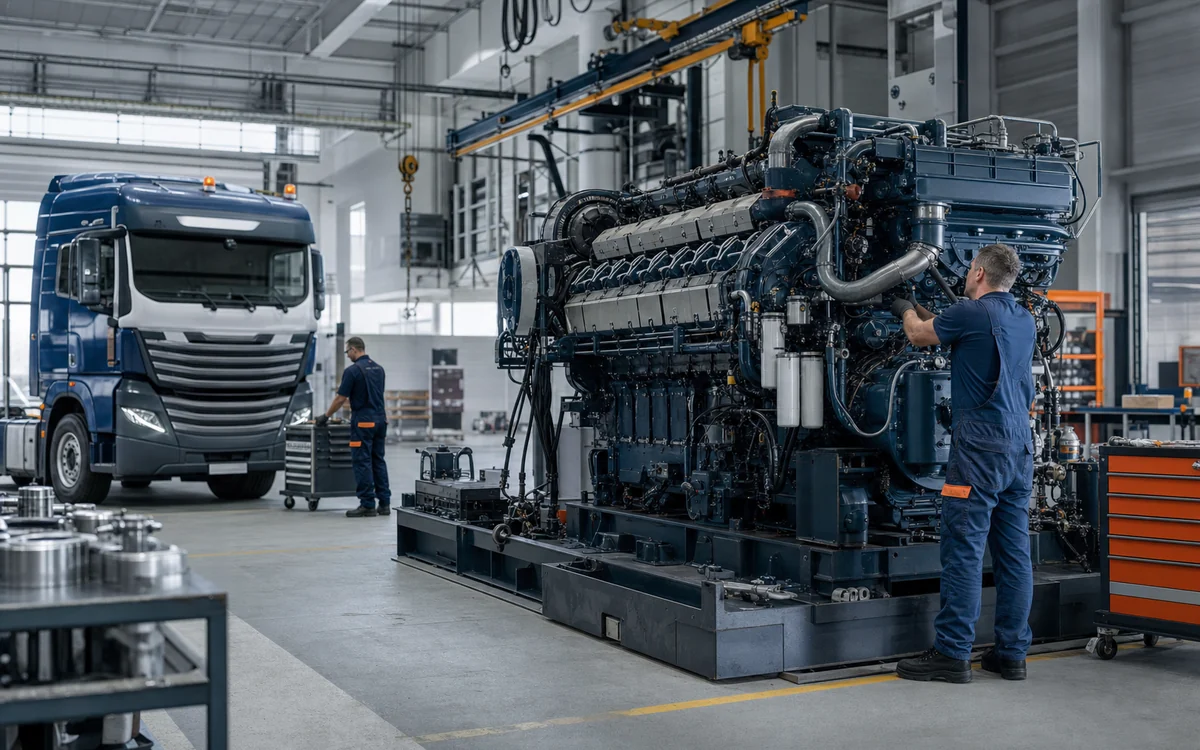
Skilled mechanics working in a modern automotive and machinery workshop.

Country overview

Industrial and vocational context

Croatia is an EU member state and is not part of the Western Balkans. The Western Balkans, in EU terminology, refers to Albania, Bosnia and Herzegovina, Kosovo, Montenegro, North Macedonia and Serbia. We include Croatia here because it is geographically Balkan and commercially relevant to the same employers — but the recruitment reality is fundamentally different.

That difference is the point. As an EU member, Croatia falls under freedom of movement for workers. A Croatian mechanic taking a job in Germany, Austria or another EU state does not require a work permit, which removes the single longest and least predictable step in international recruitment.

Croatia also has an established industrial base: shipbuilding, metal processing, machine building, automotive service and a substantial tourism-driven transport and marine sector. Vocational education in mechanical trades is well developed, and Croatia participates in EU qualification transparency frameworks that make comparing credentials more straightforward.

Education

Relevant vocational education pathways

Training structures differ from those in Western Europe. Ask what a programme actually covered rather than judging by title.

  • Vocational secondary schools with established mechanical and automotive programmes
  • Croatian Qualifications Framework, referenced to the European Qualifications Framework
  • Shipbuilding and marine engineering training with strong practical traditions
  • Technical faculties offering higher mechanical engineering education
  • Participation in EU vocational mobility and training programmes

Sectors

Automotive and industrial sectors

Shipbuilding and marine

A long shipbuilding tradition producing heavy mechanical, welding and marine engine experience.

Automotive service

Workshops, dealerships and commercial vehicle service across the country.

Machine building and metal processing

Industrial manufacturers generating machinery maintenance and assembly experience.

Transport and logistics

Freight and tourism-driven passenger transport with substantial fleet maintenance.

Tourism-related services

Seasonal demand across vehicle, marine and facility maintenance.

Profiles

Common mechanic categories

Profiles from this market may include experience in the following areas. Individual verification is always required.

Automotive mechanicsAutomotive mechatronics techniciansTruck and bus mechanicsDiesel mechanicsMarine and ship mechanicsIndustrial machinery mechanicsConstruction machinery mechanicsWelders and metalworkers

Experience

Types of experience profiles from this market may have

Croatia's shipbuilding tradition is the defining feature of its mechanical workforce. It produces heavy mechanical assembly, welding, large-engine and structural repair experience at a scale and standard uncommon in the region, alongside machine building and metal processing.

Beyond that, candidates come from automotive service networks, commercial vehicle and bus maintenance for a substantial tourism-driven transport sector, and industrial production. Seasonal tourism creates pronounced demand peaks in vehicle and marine servicing along the coast.

Croatian qualifications are generally easier to interpret than those from third countries, because Croatia participates in EU qualification transparency frameworks and its credentials can be referenced against European levels. That reduces, though does not eliminate, the verification burden.

Practical

Practical considerations

The recruitment timeline is materially shorter than for third countries, because freedom of movement removes the work authorization stage entirely. What remains is notice periods, relocation logistics and any qualification recognition where the occupation is regulated.

The trade-off is competition. Croatian mechanics can work anywhere in the single market, so you are competing with employers across the EU rather than offering a uniquely accessible destination. Pay, conditions and progression carry more weight here than in third-country recruitment, where work authorization support is itself part of the value proposition.

Language

Treat language as individual candidate information

Language level is a property of the individual, not of a country. Some candidates have formal German or English training; many do not. Test language against the demands of the job — reading service documentation, understanding safety instructions and communicating at shift handover — rather than relying on a self-declared level or an assumption based on nationality.

Verification

Qualifications employers should verify

  • Qualification title, issuing institution and completion year
  • What the programme covered and the length of the practical component
  • Years and type of hands-on experience on relevant equipment
  • Specific vehicles, machines and systems previously serviced
  • Diagnostic equipment and software actually used
  • Additional certifications relevant to your jurisdiction
  • Language level, tested rather than assumed
  • Documentation status and validity

Documentation

Documentation and work authorization

Croatia is an EU member state, so freedom of movement for workers applies. For employers elsewhere in the EU, this means no work permit is required — removing the longest and least predictable stage of third-country recruitment. Croatian nationals may generally take up employment in another EU member state without prior authorisation, subject to standard registration and residence formalities in the destination country.

Qualification recognition still applies where an occupation is regulated, but Croatia's participation in EU qualification frameworks generally makes comparison more straightforward than for third countries. We do not provide legal advice — confirm registration, residence and any recognition requirements with qualified advisors and official sources for your specific jurisdiction and role.

FAQ

Questions about recruiting from Croatia

For employers within the EU, no. Croatia is an EU member state and freedom of movement for workers applies, so Croatian nationals may generally take up employment in another member state without prior work authorisation. Standard registration and residence formalities in the destination country still apply, and you should confirm these for your jurisdiction.
Because it is geographically Balkan and commercially relevant to the same employers. But Croatia is an EU member and is not part of the Western Balkans as the EU defines that term. We keep the distinction explicit because it changes the recruitment process fundamentally.
Generally considerably shorter than for third countries, because the work authorization stage is removed. The remaining timeline depends on notice periods, relocation logistics and any qualification recognition where the occupation is regulated.
Usually yes. Croatia participates in EU qualification transparency frameworks, so credentials are more readily referenced against European levels. Where an occupation is regulated, formal recognition may still be required — verify with the competent authority.
Croatian mechanics have EU-wide mobility, which means you are competing with employers across the single market rather than offering a uniquely attractive destination. Pay, conditions and progression matter more here than in third-country recruitment, where work authorization itself is part of the value proposition.

Last reviewed: . Labour market and regulatory details change; verify anything decision-critical against a primary source.

Explore profiles from the region

Define the mechanic profile you need, then continue your recruitment on Candidate Force.

Explore Candidate Force
Explore Mechanic Profiles