Automotive MechanicsAutomotive MechatronicsTruck MechanicsDiesel MechanicsHeavy EquipmentView all mechanics
Automotive ServiceTransport & LogisticsFleet OperationsConstruction EquipmentView all industries
Western BalkansHiring GuidesAboutContact Explore Mechanic Profiles
English Deutsch

Mechanic profile

Hire Construction Machinery Mechanics from the Western Balkans

Explore mechanic profiles with experience in construction equipment — hydraulic systems, engines and powertrains, attachments, electronic control systems, on-site diagnostics and preventive maintenance.
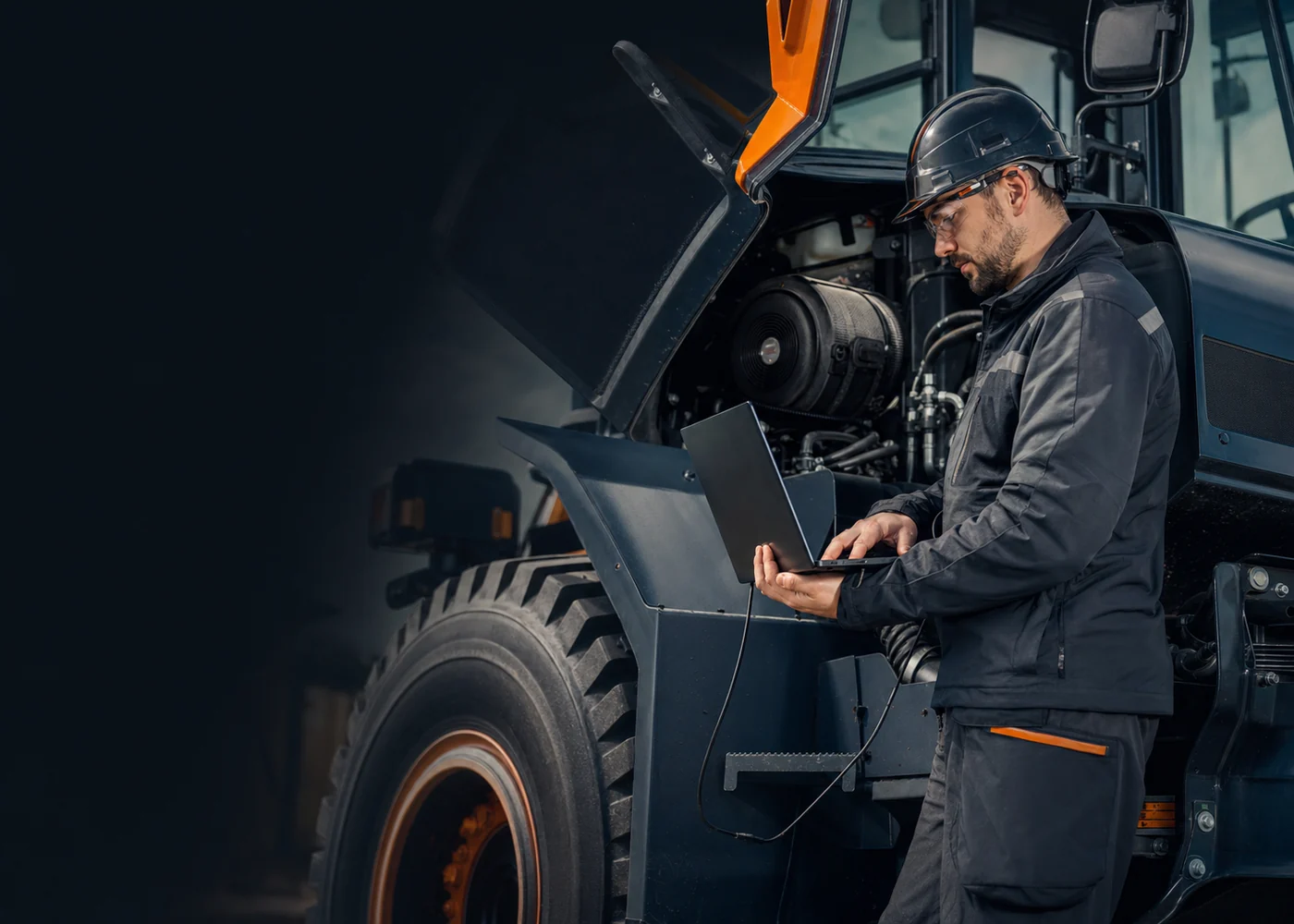
Construction machinery mechanic performing on-site diagnostics.

The employer challenge

Construction schedules have no tolerance for equipment downtime

Site programmes are sequenced and penalised. Equipment that fails mid-project delays every trade that follows, and the cost lands far beyond the repair invoice.

Programme delays

Machinery downtime pushes back the critical path, and contractual completion dates rarely move with it.

Equipment scattered across sites

Machines are distributed over multiple locations, making response time and travel a genuine operational constraint.

Weather and access constraints

Repairs happen outdoors, sometimes in difficult terrain, requiring self-sufficiency and sound on-site judgement.

Attachment and coupler faults

Quick couplers and attachments fail frequently and immediately limit what the machine can do.

Electronic control complexity

Modern machines rely on electronic control systems that require diagnostic capability beyond mechanical skill.

Hire fleet availability

For plant hire operators, unavailable machines mean lost revenue and customers who go elsewhere.

AdvertisementCandidate Force — explore mechanic profiles and publish vacancies.

Role overview

What a construction machinery mechanic actually does

A construction machinery mechanic maintains and repairs equipment used on building and civil engineering sites — excavators, loaders, dumpers, rollers, telehandlers and compaction equipment. The role combines scheduled servicing with fault diagnosis and repair across hydraulic, powertrain, structural and electronic systems.

Much of the work happens on site rather than in a workshop. The mechanic arrives with a service vehicle, assesses the fault in situ and decides what can be repaired immediately versus what requires recovery — a judgement that materially affects project cost.

Electronic control systems have become central. Machine functions, hydraulic response and engine management are governed electronically, so diagnosis increasingly means connecting a laptop and interpreting the control strategy alongside conventional mechanical inspection.

Compared with a heavy equipment mechanic, the overlap is substantial. Construction machinery is the narrower term, focused on site plant, while heavy equipment extends to quarrying, mining and material handling.

Compared with an agricultural machinery mechanic, the hydraulic and diesel fundamentals are similar, but duty cycles, attachments and seasonal patterns differ considerably.

Typical responsibilities

  • Diagnosing faults on site and determining repair feasibility
  • Servicing and repairing hydraulic systems and components
  • Maintaining diesel engines and cooling systems
  • Working on powertrains, transmissions and final drives
  • Repairing and adjusting attachments and quick couplers
  • Diagnosing electronic machine control systems
  • Carrying out scheduled preventive maintenance to machine hours
  • Performing safety inspections before machines return to service
  • Undertaking structural and welding repairs where required
  • Documenting machine condition, hours and work completed

Relevant systems and equipment

Systems a construction machinery mechanic works with

Profiles may include experience with:

Hydraulic circuitsPumps & control valvesHydraulic cylindersDiesel enginesPowershift transmissionsFinal drives & axlesQuick couplers & attachmentsElectronic machine controlLoad sensing systemsUndercarriagesDiagnostic laptops & softwareWelding equipment

What employers should verify

Check these before you hire a construction machinery mechanic

Balkan Mechanic does not certify candidates. Use this list as the basis for your own screening and interviews.

  • Formal qualification in construction machinery or mechanical technology
  • Machine types and manufacturers previously serviced
  • Hydraulic diagnostic ability demonstrated through a scenario
  • Experience with electronic machine control diagnosis
  • Independence in field service and on-site decision making
  • Welding and structural repair capability
  • Site safety certification valid in your country
  • Driver licence and willingness to travel between sites
  • Language level for manufacturer documentation and site communication
  • Work authorization requirements for your country
AdvertisementBalkan Recruiters — recruitment services for European employers.

How recruitment continues

From vacancy to shortlist

Define the mechanic profile

Pin down the specialization, systems and experience level you need.

Explore available profiles

Review mechanic profiles that match your vehicles and machines.

Publish the vacancy

Describe the role, systems and shift requirements clearly.

Review details and applications

Assess candidate information and verify qualifications.

Continue through Candidate Force

Manage interviews and the rest of the workflow in one place.

FAQ

Frequently asked questions

If your fleet is exclusively site plant, construction machinery mechanic is the more precise term. If it also includes quarrying, material handling or mining equipment, heavy equipment mechanic will attract a broader and more suitable pool.
It varies widely and you should decide before advertising. Field-heavy roles require independence, driving and comfort working outdoors; workshop-based roles suit candidates who prefer controlled conditions and rebuild work.
For machines from roughly the last decade, yes. Hydraulic response and engine management are electronically controlled, and a mechanic who cannot connect diagnostic software will be limited to routine servicing.
Hydraulic and mechanical fundamentals transfer well. Diagnostic software and electronic architecture are brand-specific, so allow a ramp-up period when the candidate's experience is with different manufacturers.
Site access typically requires safety certification specific to your country. Beyond documentation, verify practical safety judgement — particularly around securing machines and releasing stored hydraulic pressure before working.
For field roles, a well-equipped service vehicle and realistic travel expectations matter more than most employers assume. Poorly equipped mobile roles have notably high turnover.

Find Construction Machinery Mechanics through Candidate Force

Explore profiles, publish your vacancy and manage applications in one structured platform.

Explore Mechanic Profiles
